Climate science and local impacts
Weather and climate, greenhouse gases and climate projections, connected to risks affecting water, agriculture, ecosystems and livelihoods.
Search the website
Type at least 2 characters to see results.
Searching…
No results found. Try another keyword.
A four-day SPEAK climate-capacity programme in Bamyan, facilitated by Mustafa Hasani in November 2017 for 20 participants, linking climate science, policy and practical adaptation with participatory learning and field exchange.
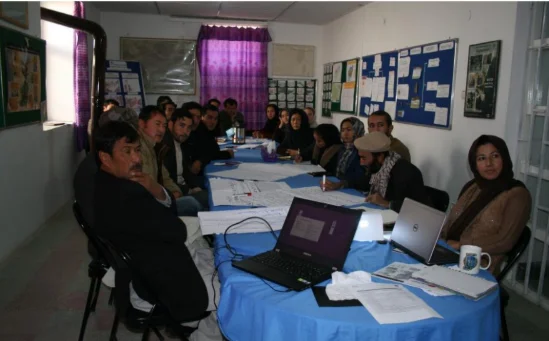
In Bamyan on 18–21 November 2017, Mustafa Hasani facilitated a four-day SPEAK climate-training programme under LDCF BERA for 20 participants from government, NGOs, Bamyan University and community leadership. The course connected global climate concepts with Afghanistan’s provincial context. This is prior professional experience, before Daira Sabz’s establishment.
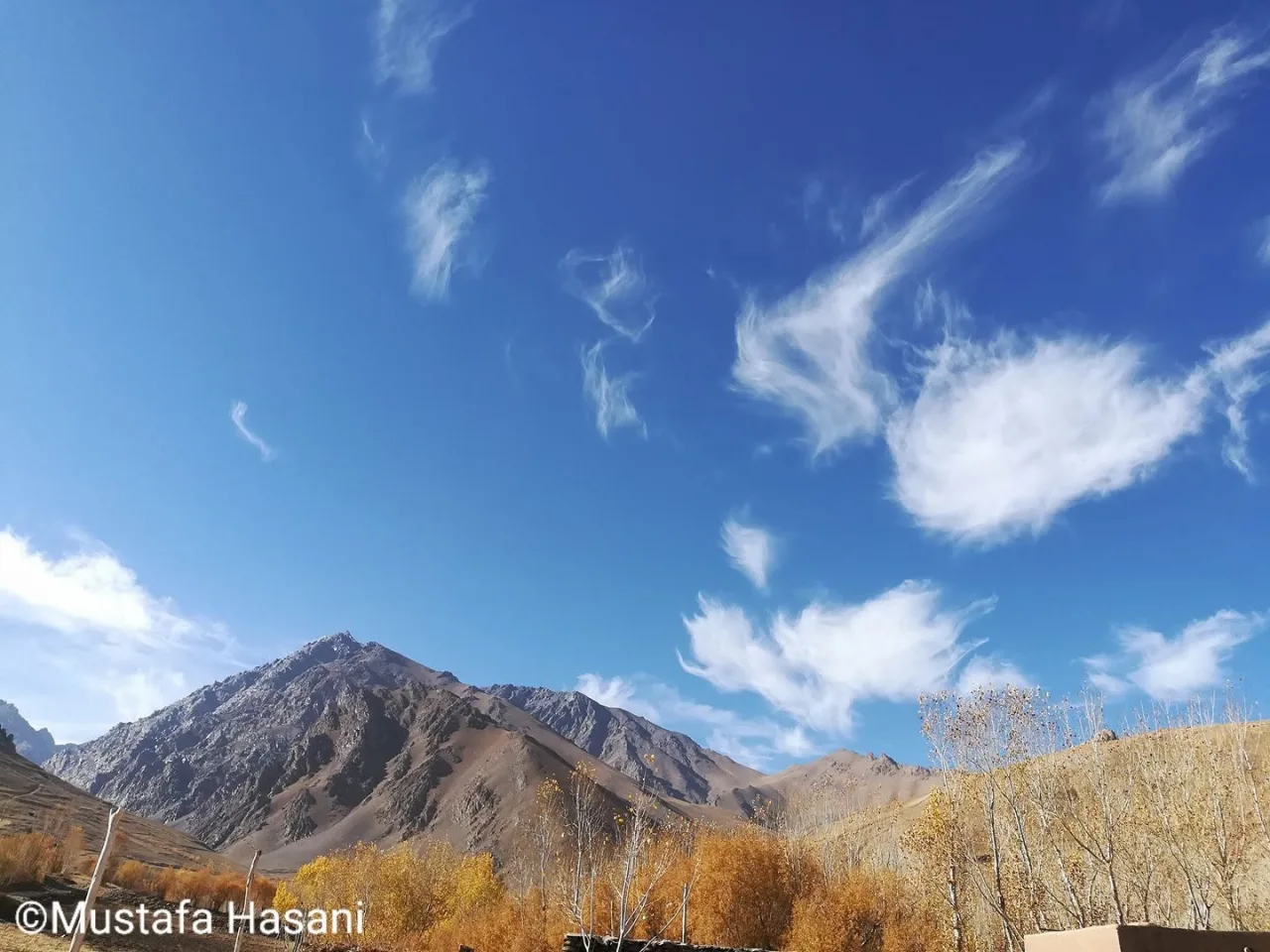
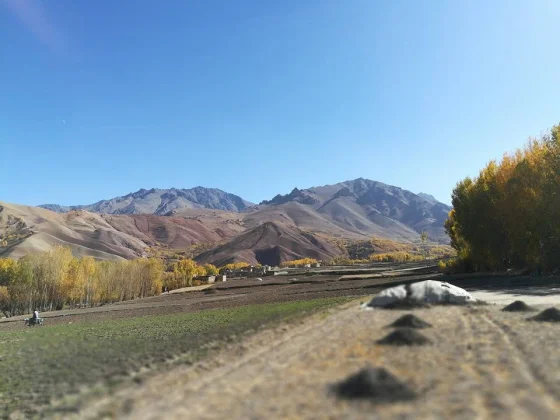
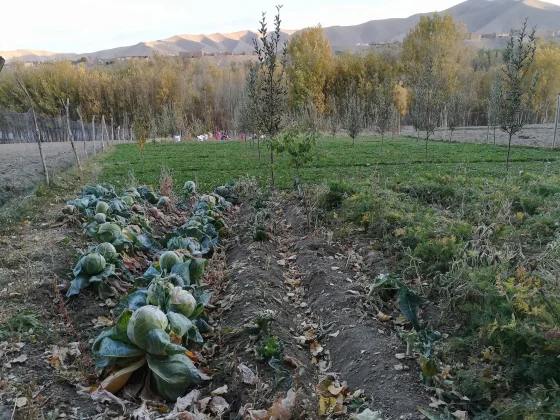
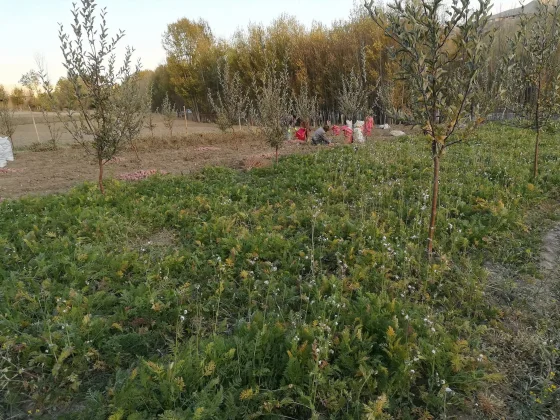
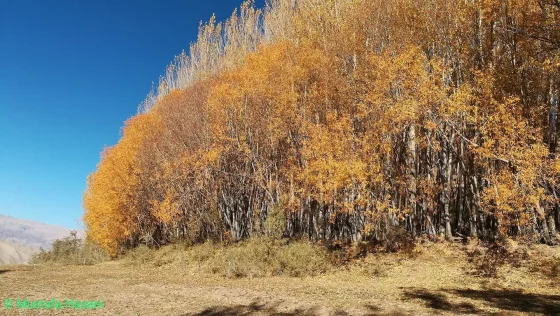
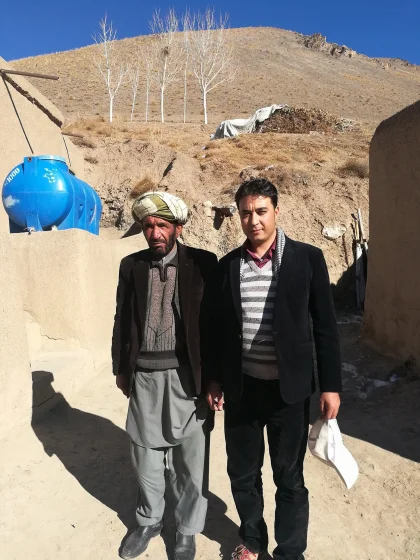
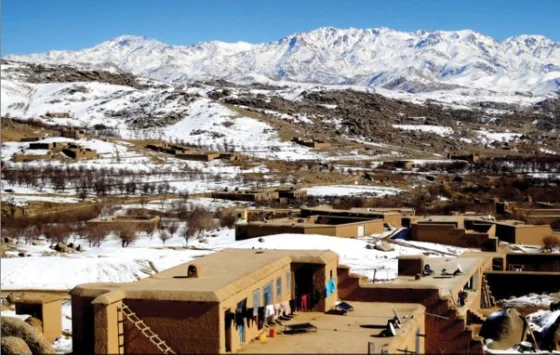
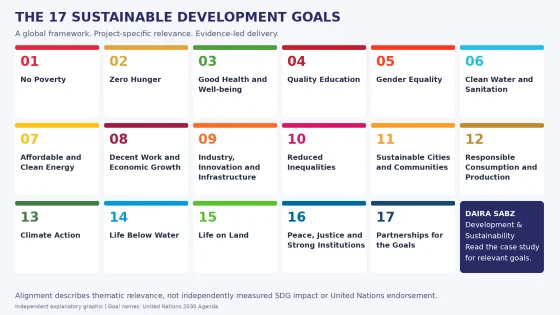
Learning moved between classroom discussion, group exercises and field exchange. Participants explored local climate risks and response options, while a visit with a lead farmer beside his field provided an opportunity to see technologies in use and discuss their relevance to local farming and adaptation decisions. Mountain landscapes, agricultural fields and tree cover helped ground the discussion in Bamyan’s environment. Relevant Sustainable Development Goals — SDGs 4, 13. Mustafa Hasani’s 2017 SPEAK facilitation in Bamyan connected climate science, policy and adaptation with classroom exercises, farmer exchange and field knowledge. This is thematic alignment with the documented assignment, not independently measured SDG outcomes.
Seven connected themes shaped the programme: climate science; climate impacts; frameworks, governance and finance; adaptation; mitigation; climate-smart technologies; and prioritising climate-sound options for agriculture, energy and water.
Weather and climate, greenhouse gases and climate projections, connected to risks affecting water, agriculture, ecosystems and livelihoods.
Links between global commitments, national and local planning, cross-sector coordination and introductory climate-finance pathways.
Ecosystem-based adaptation, natural-resource management and disaster-risk reduction, alongside energy efficiency, renewable energy and options for reducing emissions.
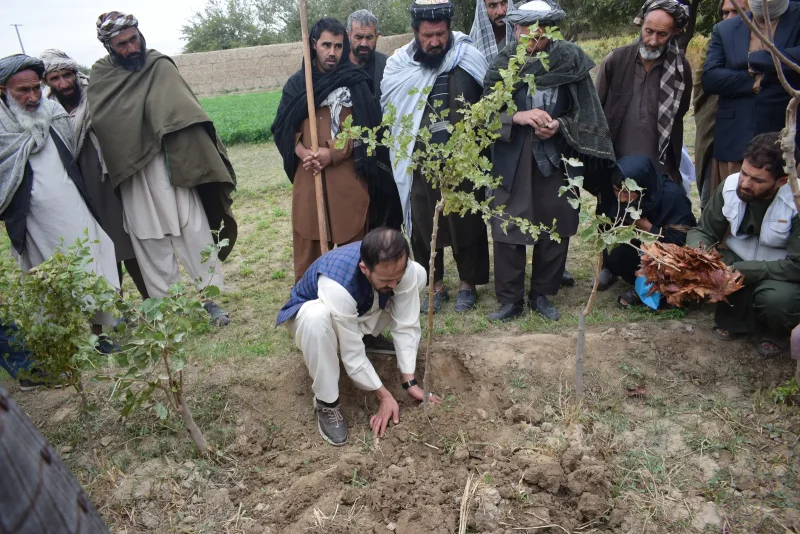
Technology options and prioritisation for agriculture, energy and water, connected with a lead farmer’s demonstration and discussion of locally used practices and technologies.
Three days of participatory classroom learning were complemented by a field-learning day, linking technical concepts with local experience and practical choices.
Use presentations, case examples and participatory discussion to connect climate science and policy with local conditions.
Develop local risk timelines using the DPSIR framework, practise sectoral adaptation planning and exchange knowledge with a lead farmer near his field.
Use pre/post knowledge assessments and participant feedback to identify learning needs and recommend more accessible, locally contextualised and differentiated future training.
Effective climate learning connects global concepts with the landscapes, livelihoods and decisions people know. This experience informs opportunities for tailored institutional training, local adaptation planning and farmer-to-professional exchange, with updated science and policy content suited to each new assignment.
Supplied photographs connect classroom learning with Bamyan’s mountain landscape, agricultural fields, tree cover and a lead-farmer exchange beside his field. The landscape images provide context for discussing local technologies and adaptation choices.

 Climate & Agriculture
Climate-smart agriculture training for Norwegian Church Aid under PEARL–ABADEI 2.0: 105 training-of-trainers participants and 355 farmers across 16 districts, supported by manuals developed in English and translated into Dari and Pashto.
Kandahar, Zabul, Balkh, Helmand and Samangan — northern and southern Afghanistan
 Climate & Agriculture
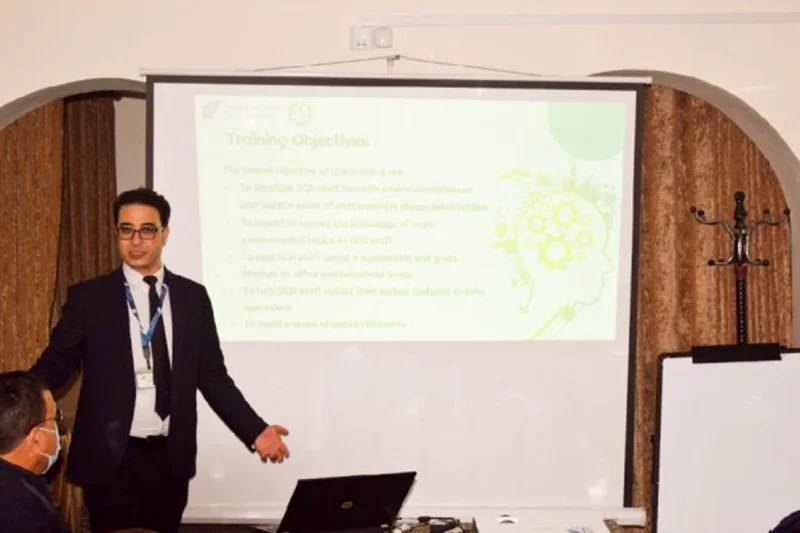
Institutional environmental capacity development for the Swedish Committee for Afghanistan across six locations, combining training materials, pre- and post-training assessments, facilitation, reporting and recommendations for future staff learning.
Kabul, Jalalabad, Ghazni, Wardak, Takhar and Mazar, Afghanistan
 Climate & Agriculture
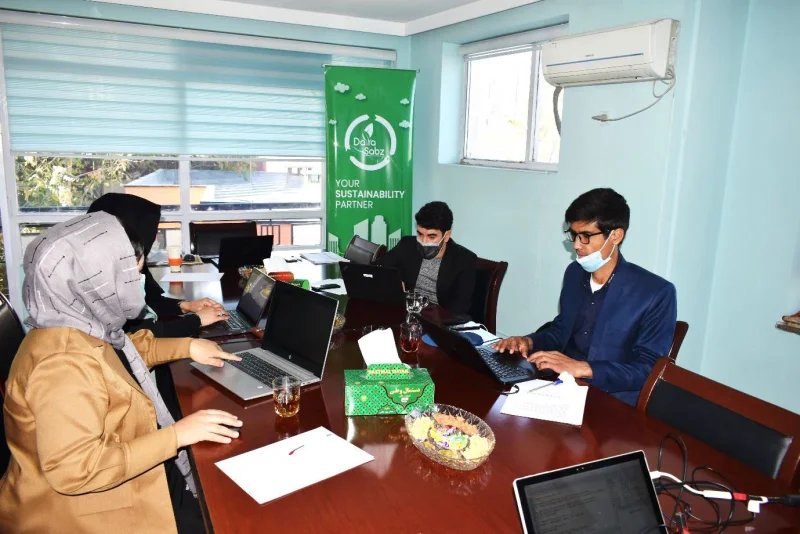
Practical R and RStudio training for Caritas Germany’s Afghanistan office in Kabul, building skills in data preparation, analysis, visualisation and research interpretation, with relevance to data-driven monitoring and evaluation.
Kabul, Afghanistan
Discuss a tailored programme on climate science, adaptation, mitigation, governance, finance or climate-smart technologies. Daira Sabz can help connect classroom content, local examples, practical exercises and field learning with your institution’s capacity-development objectives.