
Environmental Lab Testing & Field Monitoring
Get site-specific environmental evidence through planned sampling, field monitoring and laboratory analysis linked to the decisions your project needs to make.
Environmental Monitoring and Laboratory Data Services
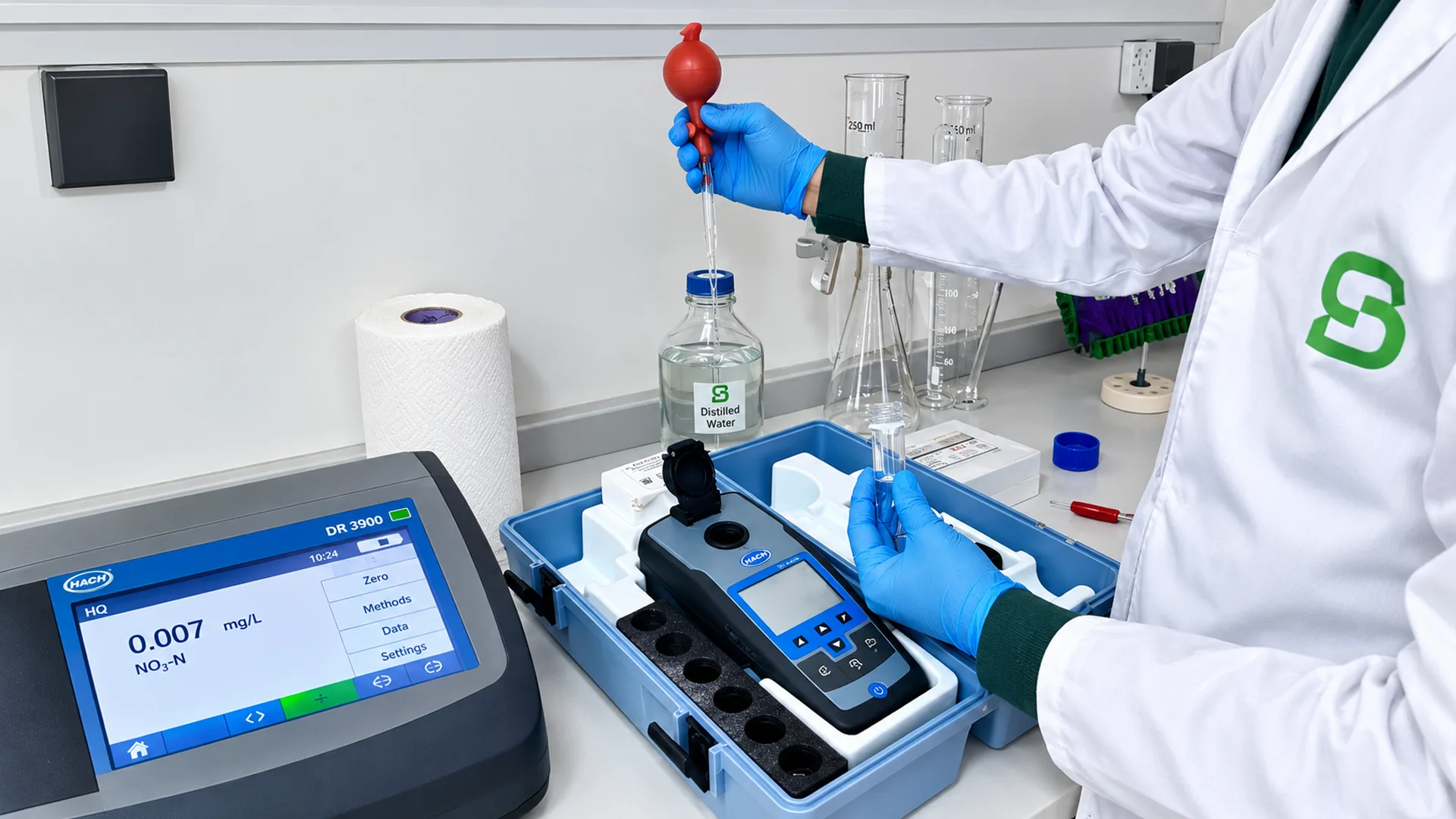
Reliable environmental decisions start with well-planned measurements. Daira Sabz’s Smart Lab service combines field monitoring, sampling, laboratory analysis and interpretation to support environmental and social assessments, resource management and project oversight. We connect observations from the field with the questions that matter for your project.
How we can help
Water quality testing
We plan sampling and analysis for surface water, groundwater, drinking-water sources, irrigation water, wastewater and treated effluent. The parameters depend on the intended water use, likely pollution sources and the assessment or monitoring requirements.
- Physical parameters: Temperature, colour, odour, turbidity, clarity, total suspended solids (TSS), total dissolved solids (TDS) and settleable solids where relevant.
- Field physicochemical measurements: pH, electrical conductivity (EC), salinity, dissolved oxygen (DO) and oxidation–reduction potential (ORP), where these help interpret site conditions.
- General chemistry and nutrients: Hardness, alkalinity, calcium, magnesium, sodium, potassium, chloride, sulphate, fluoride, nitrate, nitrite, ammonia or ammonium, total nitrogen, orthophosphate and total phosphorus.
- Organic load and effluent quality: Five-day biochemical oxygen demand (BOD₅), chemical oxygen demand (COD), total organic carbon (TOC), oil and grease, and residual chlorine where applicable.
- Metals and trace elements: Iron, manganese, aluminium, arsenic, lead, cadmium, chromium, copper, zinc, nickel, mercury and other elements selected from the site’s pollution profile. Dissolved and total fractions can be specified separately.
- Microbiological and biological indicators: E. coli, total coliforms, intestinal enterococci and heterotrophic plate counts where appropriate. For surface-water ecology, the scope can include algae and cyanobacteria observations, chlorophyll-a and aquatic macroinvertebrates.
- Specialist analyses: Where the project calls for them, we confirm access to methods for selected pesticides, petroleum hydrocarbons (TPH), volatile organic compounds (VOCs), polycyclic aromatic hydrocarbons (PAHs), cyanide or other target contaminants. We confirm the method, reporting limits, turnaround and any external laboratory involvement before sampling.
Soil and sediment sampling and analysis
We select sampling locations, depths and sample types based on land use, geology, drainage and potential contamination sources. The scope can cover grain-size distribution, moisture, pH, conductivity, organic matter, fertility indicators and nutrients, or an agreed contaminant suite such as metals and petroleum hydrocarbons. We document the sampled depth and compare results with applicable project criteria or background values.
Ambient air quality monitoring
We select stations around likely sources and sensitive receptors such as homes, schools or clinics. Depending on the objective, measurements can include PM₂.₅, PM₁₀, total suspended particulates, or selected gases such as nitrogen dioxide, sulphur dioxide, carbon monoxide and ozone. Monitoring duration, averaging periods and records of weather and site activities are matched to the questions the study needs to answer.
Environmental noise monitoring
We plan measurements at boundaries and sensitive receptors during representative operating periods. Depending on the scope, we report equivalent sound levels (LAeq), maximum levels (LAFmax), and relevant daytime and night-time results. Field notes document the measurement period, dominant sources, traffic and weather for interpretation.
Biodiversity and habitat surveys
We document terrestrial and aquatic habitats, species observations and signs of wildlife use, with seasonal coverage selected for the site. Survey methods may include transects, timed observations, camera traps and aquatic habitat assessments. Findings help locate sensitive habitats and guide avoidance measures and follow-up surveys.
Data quality and reporting
Reports identify the sampling locations and dates, methods, units, reporting limits and any factors that affect interpretation. We agree on quality controls such as instrument checks, sample handling and chain-of-custody records, and field blanks or duplicates where appropriate. Results are organised for comparison with relevant criteria and for follow-up monitoring.
Our approach
We agree on the project questions, intended water use, sampling locations, frequency and criteria for interpreting results before mobilising. For baseline studies, the plan may include upstream and downstream points, reference sites, or dry- and wet-season sampling to capture variation. For operational monitoring, repeat samples are scheduled around activities, discharge periods or other events that could change conditions.
Outputs and value for your team
Deliverables may include a sampling and monitoring plan, a site map with coordinates, field logs, analytical results, a quality-control summary and a dataset for future comparisons. The interpretive report can flag results above applicable criteria, explain data gaps, and recommend follow-up sampling or management measures for an ESIA, environmental management plan or routine monitoring programme.
Relevant project experience
- Mes Aynak Copper Project — Environmental and Social Impact Assessment (ESIA) — Multidisciplinary environmental and social assessment, including baseline monitoring and sampling for the Mes Aynak copper project.
- Environmental Monitoring for Health Centers in Herat — Air, noise and water monitoring under a NESPAK subconsultancy for health facilities in Herat.
Build the right environmental evidence for your project.
Share your site, project stage and monitoring questions. We can help define the parameters, sampling approach and reporting outputs needed.
Supporting the Sustainable Development Goals
Daira Sabz is committed to supporting the Sustainable Development Goals through evidence-based, context-sensitive consulting and engineering.
Sampling, environmental measurements and laboratory analysis help clients understand pollution exposure, water quality and environmental risks associated with resource use and waste.
SDG 3 · SDG 6 · SDG 12
The goals describe relevant areas of contribution within the agreed scope, not independently verified SDG outcomes or United Nations endorsement.